
Shingle Roof Problems in Sunnyvale: How to Read the Damage Before It Becomes a Leak
A few missing shingles can be a simple repair. The same damage spread across a whole roof means something else entirely. This guide shows you how to read shingle damage from the ground, how long shingles last, and when to call a roofer.
- Certified California roofing contractor
- Bonded and insured
- Open 24/7
- Serving Sunnyvale since 2015
A few missing shingles can be a simple repair. The same damage spread across a whole roof means something else entirely. Learning to read the difference saves you money, and it stops a small problem from becoming a leak.
This guide shows you how to read shingle damage from the ground, how long shingles last in Sunnyvale, when repair stops being enough, and what to do after a storm.
How to read shingle damage from the ground
You do not need to climb on the roof. Use binoculars or a phone zoom, walk all the way around the house, and look up. Shingle granules roll like marbles underfoot, and brittle shingles break when stepped on, so leave the climbing to a roofer.
| What you see | What it usually means | How soon |
|---|---|---|
| Missing shingles or bare patches | The underlayment is exposed to weather | Before the next rain |
| Cracked or split shingles | Age, wind stress, or impact | Soon |
| Curled or cupped edges | Age, heat, or poor attic ventilation | Schedule an inspection |
| Lifted tabs that no longer sit flat | The sealant strip let go, so wind can get underneath | Soon |
| Raised or exposed nails | Nails backing out and opening a path for water | This season |
| Lots of granules in the gutters | The surface is wearing down | Have it checked |
| Dark streaks | Usually algae, which is mostly cosmetic | Not urgent |
Active leaking, a spreading ceiling stain, or exposed roof layers ahead of rain deserve prompt attention. A stain may not sit directly below the damaged shingle. Learn more about tracing roof leaks to their source and mention any interior water marks when arranging an inspection.
Granules in the gutters: normal wear or a warning?
Granules are the gritty coating on a shingle. They shield the asphalt from the sun. Some granule loss is normal, especially on a new roof, and after a storm. A small amount in the gutters is not a crisis.
Arrange an inspection if the loss is heavy or increasing, fills the gutters, or appears alongside bald patches on the shingles. A bald patch can look darker and smoother than the surrounding granular surface. Granule loss alone cannot tell you how much service life remains; the roof's overall condition needs to be assessed.
How long do asphalt shingles last?
Common asphalt shingle styles include three-tab shingles, which have a flatter, more uniform appearance, and architectural shingles, which have a thicker, layered profile. Manufacturers make both styles; for example, GAF's Timberline products are architectural shingles and its Royal Sovereign product is a three-tab shingle. Check the manufacturer's product information for examples, and confirm your roof's actual product from installation records or a roofer's inspection.
Typical lifespans from industry guides:
- Three tab shingles: 15 to 20 years
- Architectural shingles: 20 to 30 years
These are broad estimates, not guarantees. Sun exposure, installation quality, roof pitch, ventilation and maintenance all affect service life. Sunnyvale's sun exposure can contribute to aging over time, and roof slopes with greater exposure may weather differently. An inspection is more useful than age alone for assessing condition.
Age alone does not mean replacement. A 22 year old architectural roof with isolated damage and flexible shingles can still be a repair job. A 14 year old three tab roof with curling, bald patches, and brittleness across several slopes is a different story. The condition of the whole roof matters more than the age of one shingle.
Repair or replacement: how to tell which one fits
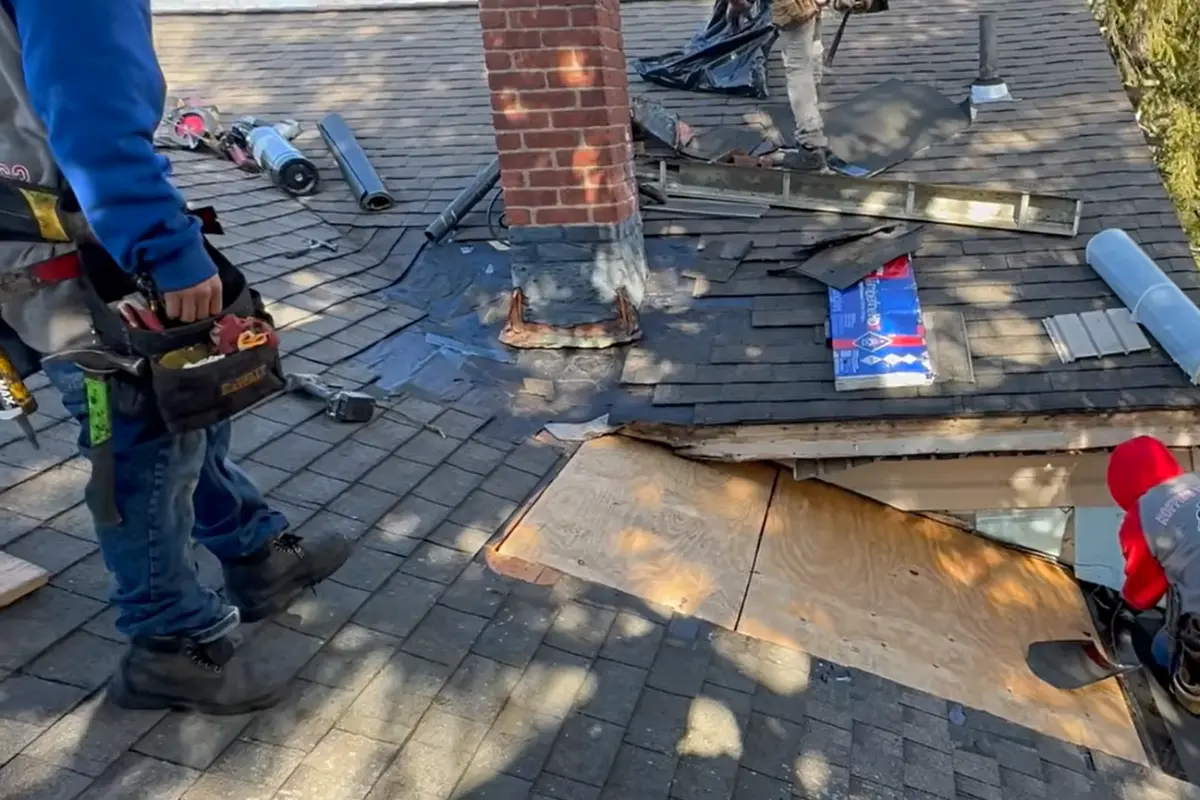
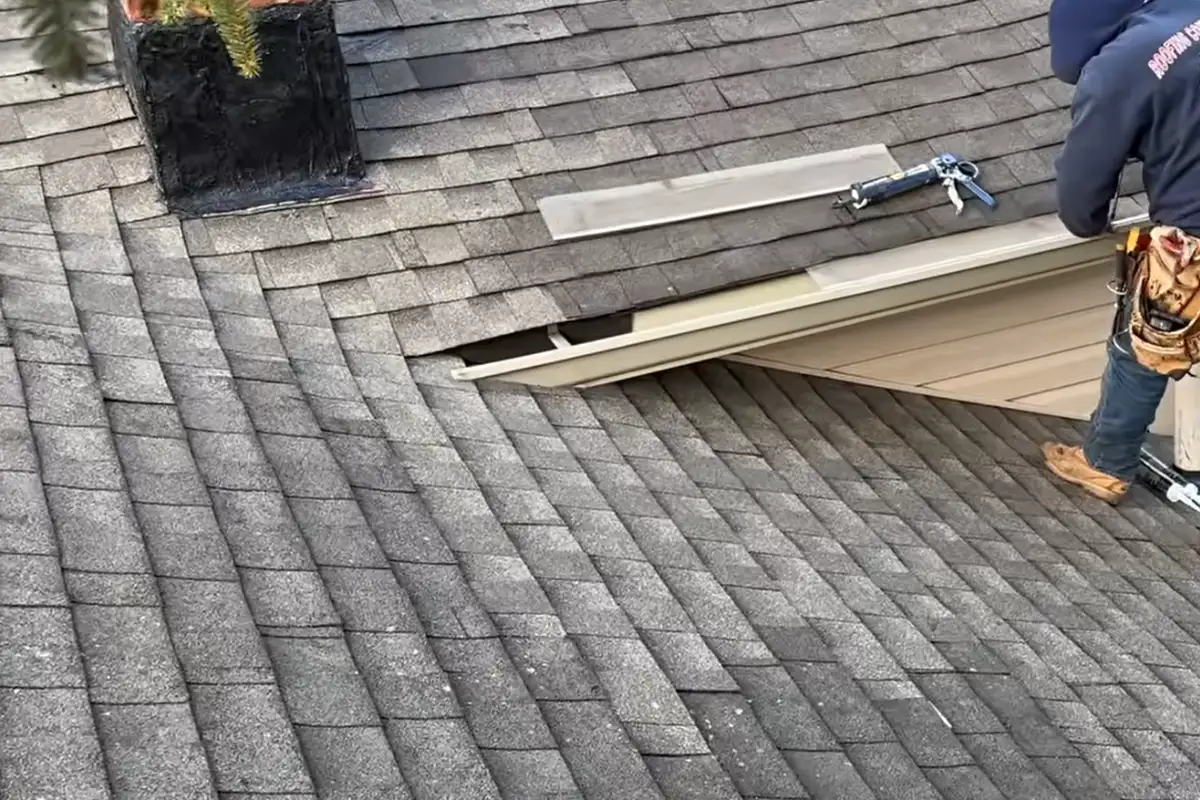
Repair usually fits when the damage is in one area and the surrounding shingles are still flexible. A storm took a few shingles. A branch cracked a patch. A vent area needs reworking. These are spot repairs, and they work well.
Ask about replacement when the signs below stack up:
- Damage shows up across several slopes, not one area.
- Shingles are brittle and snap when touched. Brittle shingles can crack when lifted to reach the ones underneath, which makes repair risky.
- Large areas have lost their granules, or bald patches are visible.
- The same spot keeps failing after repair.
- The roof is past the expected lifespan for its shingle type, and problems keep appearing.
There is no universal repair-cost percentage that determines when replacement is better. Compare the written repair estimate with the roof's overall condition, age, likely remaining service life, and the cost and scope of replacement. Ask the roofer to explain the options and what is included in each estimate.
Will new shingles match the old ones?
Usually not perfectly at first. Shingles fade as they weather, and manufacturers discontinue colors. A repair uses the same style as your roof, and the closest available color. The difference usually softens over time as the new shingles weather.
Two things make matching easier. First, find paperwork from when the roof was installed, including the brand and color, if available. Second, ask before work starts how close the match is expected to be and where the new shingles will sit. Colors on a screen may not look exactly like physical shingles, so ask to see a sample if the color match matters to you.
After a storm: photos first, then cover, then call
Shingles on the ground after wind are common in Sunnyvale winters. What you do in the first hour matters, especially if insurance is involved.
- Photograph the damage from the ground before anything is moved or covered. Photograph the bare patches on the roof, the fallen pieces in the yard, and any stains inside the house. Note the date and the storm.
- Keep any shingles that fell. They are evidence of what failed, and they help with matching.
- If rain is coming and shingles are gone, ask about a temporary cover until the repair can be done. Do not climb up to check. Wet shingles are slippery.
- Check the attic for water stains, wet insulation, or daylight showing through. Even a small opening can drip water onto a ceiling, and the damage may not be obvious right away.
- Arrange a roof inspection. If you may file an insurance claim, review your policy and contact your insurer about its documentation requirements. Do not delay reasonable temporary protection if rain threatens; photograph the damage first when it is safe to do so.
If shingles are missing or the roof deck is exposed, arrange an inspection promptly, especially if rain is forecast. A roofer can advise whether temporary protection is needed while a permanent repair is arranged.
What a roofer checks beyond the shingles
A shingle is only the top layer. A good inspection checks what sits underneath and around it.
Underlayment is the water resistant layer over the wood deck. It is the backup if water gets past the shingles, but it was not designed to take weather by itself for long. Wet or damaged underlayment needs fixing before new shingles go on.
The wood deck underneath matters too. Soft or rotted wood cannot hold nails, and it must be repaired first.
Flashing at walls, chimneys and vents is another possible source of leaks that can be mistaken for shingle problems. A stain below a chimney may come from flashing rather than shingles. Vent boots can also fail and let water in. Attic ventilation is another factor to discuss during an inspection when shingles curl or age unevenly.
That is why an inspection covers the area around the damage, not only the damaged shingles. Nearby nails, sealant, and flashing tell you how far the problem spreads.
What shingle repair usually costs in Sunnyvale
These typical price ranges match the ones on our shingle repair service page. They are planning estimates, not fixed prices or exact quotes. Final pricing depends on an on-site inspection and the repair scope.
| Repair size | What it usually covers | Typical range |
|---|---|---|
| Small | A handful of missing, cracked, or lifted shingles, with the tabs resealed | $250 to $500 |
| Medium | A larger section replaced, including damaged underlayment | $500 to $1,450 |
| Large | Storm damage across several areas, or matching work across a wider section | $1,400 to $3,500+ |
Ranges are for repairs only, not a full roof replacement. The medium and large ranges overlap because scope varies so much. A large section repair and a multi area storm repair can land in the same price band for different reasons.
What moves the price? How much is damaged is the biggest factor. Shingle style and availability matter. Hard to match or discontinued shingles take more effort. Roof pitch and access matter. Steep or tall roofs need more safety gear and time. What sits underneath matters most of all. Damaged underlayment or wet wood adds work. Extras found during the repair, like ridge caps, vent boots, or flashing in poor condition, add scope. Rush work before a storm, or a temporary cover, adds a step.
When to call promptly, and when it can wait
Call promptly if you see any of these:
- Missing shingles with rain on the way, or a stain that is spreading.
- Bare patches where underlayment or wood is exposed.
- Water stains on a ceiling below a damaged area.
- Damage after strong wind, a big storm, or an earthquake.
These can wait for a scheduled inspection, but do not ignore them:
- A few curled edges with no stain and no missing shingles.
- Dark streaks with no other damage. These are usually algae and mostly cosmetic.
- A small amount of granules in the gutters on an otherwise sound roof.
- Raised nails with no stain, found outside storm season.
Waiting turns a small repair into a bigger one. Rain reaches the underlayment. Wood gets wet. A handful of shingles becomes a section, and a section becomes an interior repair too.
Before you hire anyone
Ask these questions before work starts:
- How many shingles need to be replaced, and why those?
- Are the surrounding shingles flexible enough to repair safely?
- Will the underlayment and wood underneath be checked?
- How will the new shingles be matched?
- Will the work come with a written workmanship warranty, and who removes the debris?
Verify the license. Use the CSLB Check A License tool to verify a contractor's license on the CSLB site. Confirm the license is active and lists the C-39 roofing classification. Ask the contractor directly for current proof of bond and insurance.
The short version
Shingles protect your roof in layers. Granules shield the asphalt from the sun. Sealant strips hold the tabs down against wind. When shingles go missing, crack, or curl, rain reaches the underlayment, and the underlayment was not built to take weather alone for long.
Read the damage from the ground. Missing shingles before the next rain are urgent. Curling and heavy granule loss mean the roof is aging, and they deserve an inspection before the rainy season. Dark streaks alone are usually cosmetic.
Repair fits isolated damage on a flexible roof. Replacement fits widespread damage, brittle shingles, and a roof past its expected life. After a storm, photograph first, cover second, and call third.
For shingle repair in Sunnyvale, see our shingle repair page or call us at (669) 240-7171.
This post was written by the team at Roof Repair Sunnyvale CA, a certified California roofing contractor serving Sunnyvale since 2015. It is general information and does not replace an inspection of your roof.
Questions about shingle roofs
How many missing shingles are too many to repair?
There is no fixed number. Repair works when the damage is limited to a small area and the rest of the roof is sound. If missing or damaged shingles are spread across several slopes, or the same area keeps failing, it is time to ask about replacement.
Can a few damaged shingles be replaced without redoing the whole roof?
Yes, in most cases. The surrounding shingles are lifted, the damaged ones are removed, and new shingles are fastened in their place. On an older roof the existing shingles may be brittle, which is a risk worth discussing before work starts.
Will new shingles match my old ones?
Usually not perfectly at first. Weathered shingles fade, and colors get discontinued. The closest match is chosen, and the difference tends to soften as the new shingles age. Paperwork showing the original brand and color makes matching much easier.
Are curling shingles an emergency?
Usually not. Curling is a sign of age, heat, or poor attic ventilation. Curled shingles can crack or let wind get under them, though, so it is worth having them looked at before the next rainy season.
What should I do if shingles blew off in a storm?
Photograph the damage from the ground, keep any pieces that fell, and stay off the roof. Check the attic for stains or daylight. Call to arrange an inspection. If rain is coming, ask about a temporary cover until the repair can be done.
Do granules in my gutters mean I need a new roof?
Not necessarily. A small amount of granule loss is normal, especially on newer roofs. Heavy, continuous loss, or bald patches on the shingles, points to surface wear that is worth having inspected.
How long do asphalt shingles last?
Three tab shingles usually last 15 to 20 years. Architectural shingles usually last 20 to 30 years. Sun, installation quality, roof pitch, and attic ventilation change those ranges. Condition matters more than age alone.
Are dark streaks on my roof a problem?
Usually not. Dark streaks are most often algae, which is mostly cosmetic. Streaks combined with granule loss, curling, or cracking are worth a closer look, because the streaks may be hiding wear underneath.
Shingles missing or damaged? Call us.
Tell us what you see and where. Photos from the ground are a good start.
(669) 240-7171 View shingle repair details